World Cup 2026: the tournament everyone is waiting for
The World Cup 2026 is more than a football tournament. It is a global event that will dominate searches, conversations, match predictions, live alerts, team news, exact score discussions and betting calendars for several weeks. With 48 teams, more fixtures and three host nations, this edition brings more matches, more storylines and more opportunities for football fans to follow their national teams.

The tournament starts on June 11, 2026 and ends with the final on July 19, 2026. The expanded format means more countries, more groups, more knockout drama and more matches to analyze. For readers who follow football predictions, it also means a longer calendar with group-stage trends, qualification scenarios, underdog stories, title contenders and daily event updates.
On PronoScout, this page is designed as a complete guide for readers searching for the World Cup 2026 schedule, fixtures, groups, favorites, predictions, match events and exact score access. The public article gives the overall reading, while detailed exact score picks remain reserved for WhatsApp before each match.
🚀 Get World Cup 2026 events on Telegram PronoScout
Join Telegram PronoScout to receive match events, fixture alerts, lineup reminders, group-stage updates, prediction notes, WhatsApp exact score access links and important World Cup news before the biggest games.

Responsible play reminder: no prediction, coupon, bonus, promo code or exact score can guarantee a win. Football remains unpredictable. Always play with a responsible budget.
World Cup 2026 key dates
The World Cup 2026 calendar is longer than previous editions because the tournament includes 48 teams and 104 fixtures. The group stage will create daily match interest, while the knockout rounds will bring high-pressure games where every detail matters.
Opening match
The tournament begins with the first official match of the World Cup 2026 calendar.

Group stage
This is the phase where all teams fight for qualification. Group-stage predictions depend on team form, squad depth, tactical identity and match order.
Knockout stage begins
Once the group stage ends, the tournament becomes more intense. Every mistake can eliminate a team.
Round of 16, quarter-finals and semi-finals
The strongest nations, dangerous underdogs and surprise qualifiers battle for a place in the final.
World Cup 2026 final
The final decides the world champion after more than a month of football across North America.
World Cup 2026 host cities
The tournament is played across sixteen host cities in three countries. This gives the World Cup 2026 a unique rhythm: different climates, travel distances, stadium atmospheres and regional fan bases can all influence how teams prepare and perform.
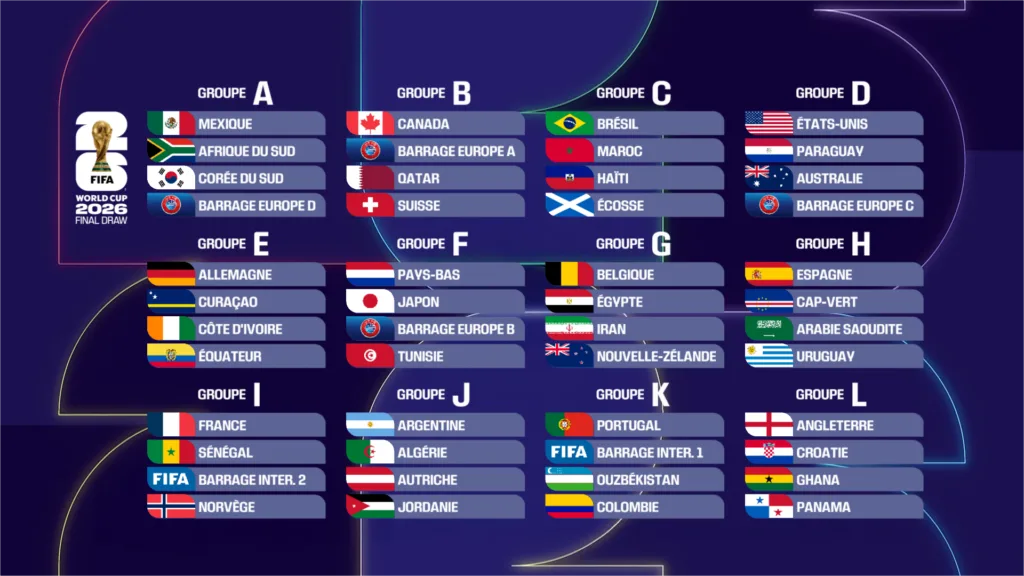
World Cup 2026 groups: how to read the group stage
The World Cup 2026 group stage is one of the most important parts of the tournament because it creates the first major storylines. Big teams are expected to qualify, but the expanded format also gives more nations the chance to create surprises. A strong start can make the group easier, while a poor first match can put even a favorite under pressure.
The best way to read the groups is to look at four elements: the favorite, the second qualification candidate, the dangerous outsider and the match order. In World Cup football, the first game often changes everything. A team that wins its opening match can control the group. A team that loses early must take risks.
- Host pressure
- Opening-match attention
- Qualification race
- Balanced matchups
- Second-place battle
- Goal difference importance
- Potential title contender
- Underdog threat
- High search interest
- Physical duels
- Tactical matchups
- Key second game
- Open qualification path
- Possible surprise team
- Important final round
- Favorite under pressure
- Defensive teams to watch
- Low-score potential
- Strong football nations
- High tactical interest
- Big knockout implications
- Technical matchups
- Potential attacking games
- Favorites to monitor
- Qualification tension
- Possible late drama
- Second-half goals angle
- Elite team watch
- Underdog resistance
- Goal markets to analyze
- Balanced group structure
- Set-piece importance
- Final-day pressure
- High-profile teams
- Physical matchups
- Knockout qualification race
PronoScout view: the group stage should be followed daily because match order, goal difference, injuries, rotations and qualification pressure can quickly change the prediction picture.
World Cup 2026 match calendar table
The table below gives a practical overview of the World Cup 2026 calendar structure. It is useful for readers who want to follow fixtures, predictions, group-stage events and exact score alerts throughout the tournament.
| Phase | Period | Main interest | Prediction angle | PronoScout access |
|---|---|---|---|---|
| Opening match | June 11, 2026 | First game, host pressure, global attention. | Cautious opening rhythm, emotional pressure, set pieces. | Telegram events and WhatsApp exact score. |
| Group stage round 1 | June 11–mid June | Teams reveal their first tactical plan. | Avoid overconfidence; first matches can be tense. | Daily match alerts on Telegram. |
| Group stage round 2 | Mid June | Qualification pressure starts to grow. | Teams with 0 points may attack more. | Updated prediction notes. |
| Group stage round 3 | Late June | Qualification, rotation, goal difference. | Motivation and qualification needs are crucial. | Telegram alerts before each key match. |
| Knockout stage | Late June–July | No second chances, high pressure. | Caution, extra time risk, penalty pressure. | WhatsApp exact score and Telegram events. |
| Final | July 19, 2026 | World champion decided. | Mental strength, defensive control, big-player impact. | Full PronoScout coverage. |
World Cup 2026 favorites: PronoScout ranking
The World Cup always begins with big favorites, but the winner is rarely decided by reputation alone. Squad depth, defensive balance, goalkeeper form, injuries, travel, heat, tactical flexibility and knockout pressure can all change the tournament.
France
France remain one of the strongest World Cup contenders thanks to squad depth, athletic power, attacking talent and big-tournament experience.
Brazil
Brazil always bring elite attacking quality, flair and individual match-winners capable of changing any game.
Argentina
Argentina’s identity, competitive spirit and tournament mentality make them a dangerous contender again.
Spain
Spain can dominate possession, control tempo and suffocate opponents with technical superiority.
England
England have attacking options, physical strength and a squad strong enough to go deep if they manage pressure.
Portugal
Portugal’s talent pool gives them multiple solutions in attack and midfield, especially in knockout matches.
Germany
Germany cannot be ignored in a World Cup because of their tournament history and ability to reset quickly.
Netherlands
The Netherlands can be strong defensively and dangerous in transition when their system is balanced.
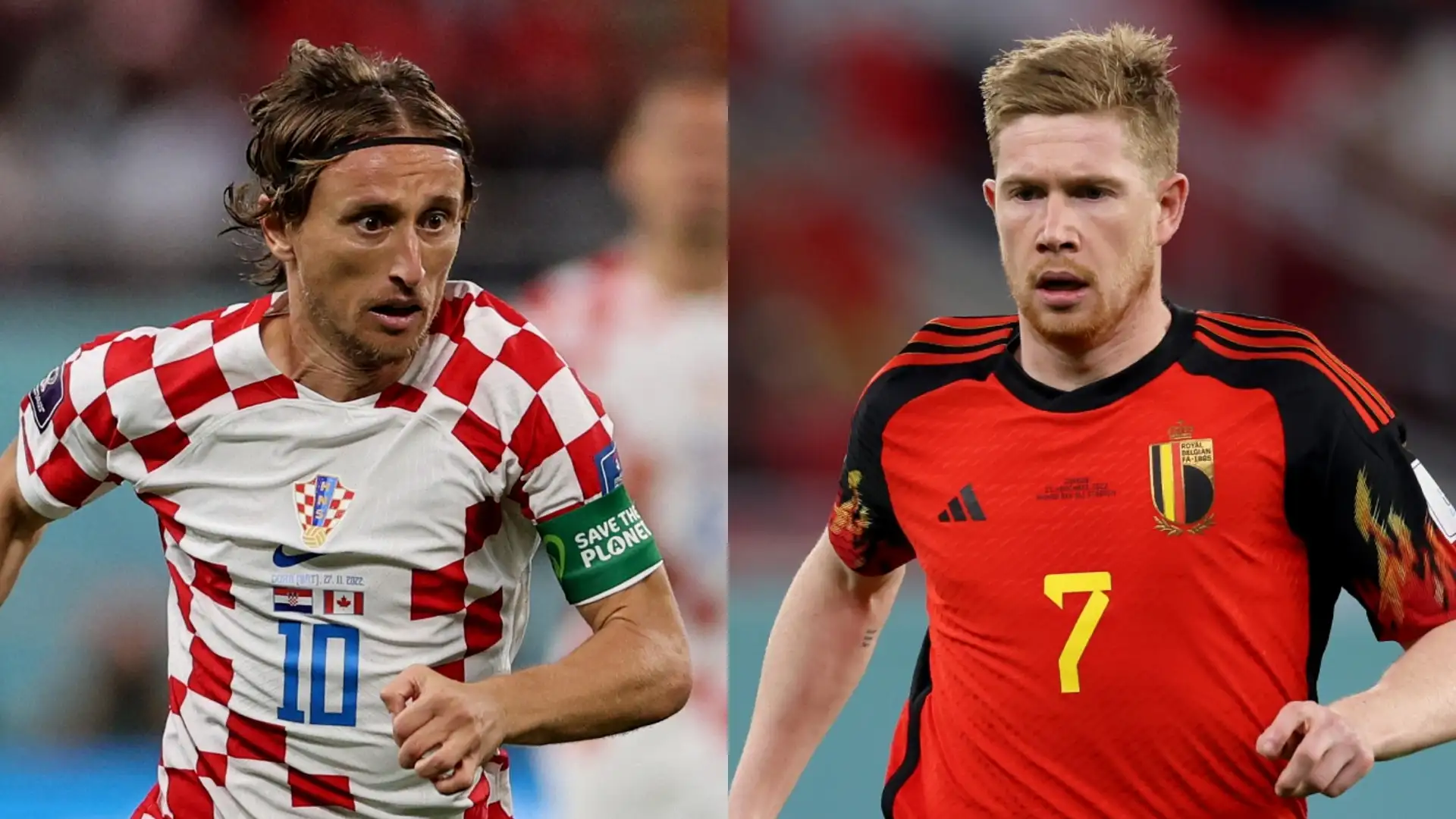
Belgium
Belgium still have enough attacking quality to trouble major teams, especially if their defensive balance improves.
Croatia
Croatia remain a team nobody wants to underestimate because of their midfield control and knockout experience.
Teams to watch beyond the favorites
Every World Cup produces at least one team that exceeds expectations. Some nations are dangerous because of youth, some because of defensive discipline, and others because of physical intensity or set-piece strength.
Morocco
Morocco have shown that strong organization, belief and transition quality can carry a team deep in a tournament.
Senegal
Senegal can be physical, direct and dangerous if the squad arrives fit and confident.
Japan
Japan’s intensity, discipline and technical quality make them a difficult opponent for any favorite.
Mexico
Mexico’s home advantage can create a powerful atmosphere and extra motivation in the group stage.
How to analyze World Cup 2026 predictions
World Cup predictions require a different approach from club football. National teams do not play together every week, so chemistry, preparation time and match rhythm are different. A team with big names can struggle if the structure is weak. A less famous team can become very dangerous if it is compact, disciplined and emotionally strong.
The best prediction approach is to combine several factors: team form, squad depth, injuries, motivation, group situation, travel conditions, tactical style, coach decisions and lineup confirmation. It is also important to avoid judging a team only by its name. In the World Cup, discipline and match management often matter as much as attacking talent.
Motivation
A team already qualified may rotate, while a team needing points may take more attacking risks.
Lineups
Official lineups can change the prediction picture, especially in group-stage round three.
Match rhythm
Some games start slowly because teams fear losing early. Others open quickly after an early goal.
Set pieces
Corners, free kicks and penalties can decide tight matches in international tournaments.
Goal difference
Group-stage goal difference can influence late-match decisions and attacking intensity.
Knockout pressure
Knockout matches can become more cautious because one mistake can eliminate a team.
Interactive vote: who can win World Cup 2026?
Share your pre-tournament feeling. This vote is only interactive and does not replace match analysis.
Quick summary
- Event: FIFA World Cup 2026
- Start: June 11, 2026
- Final: July 19, 2026
- Teams: 48
- Fixtures: 104
- Hosts: USA, Canada, Mexico
Top favorites
- 1. France
- 2. Brazil
- 3. Argentina
- 4. Spain
- 5. England
- 6. Portugal
Telegram PronoScout
Join Telegram to get World Cup events, fixture alerts, lineup reminders and useful links.
Join TelegramResponsible play
No prediction, promo code, bonus or exact score guarantees a win.